


Think about all the words you’ve ever glanced over. Every page, every chapter, every book – the number is staggering, especially for bookworms. Most of the words you’ve read once, you’ll read again – in new sentences and new meanings – but the same old word choice (a mere one million plus for English speakers) can get so drab. That’s why we’re thankful that writers take it upon themselves to coin new terms, play off of old ones, or combine them as they please simply because they can.
As a little thank you to our creative wordsmiths, we’ve put together a few of a favorites to vamp up your vocab. Some of these author-coined terms may surprise you!

Bellyfeel – a gut instinct
Conversational uses: When you probably shouldn’t order another margarita, when you probably shouldn’t sample the expired milk, when the skies are grey but your phone says sunny and 75 – listen to your bellyfeel!
William Shakespeare, Henry VI Part 3


Clangor – the sound of a loud clamour
Conversational uses: Use this term to describe the sounds that give you a headache (because you didn’t trust your bellyfeel and went for another margarita), the sound of the neighborhood kids banging pots and pans together as they sing the soundtrack to Frozen, or the sound of your dog as he runs into the sliding glass door.
Anthony Burgess, A Clockwork Orange


Droog – friend; companion
Conversational uses: Use this term to address acquaintances, co-workers, and any close buddy.


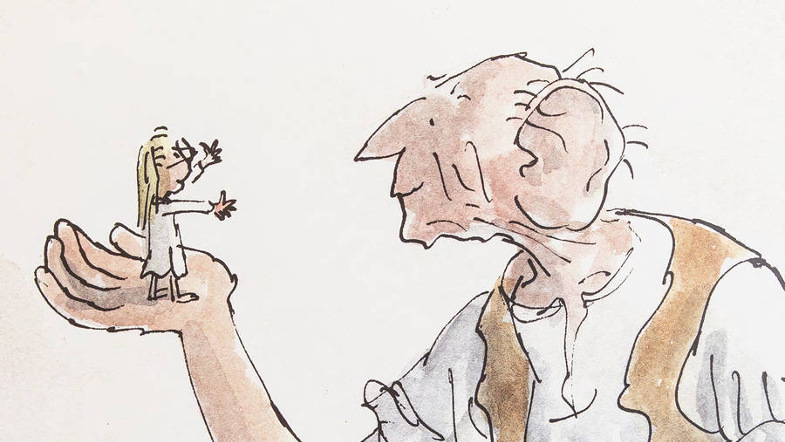
Gloriumptious – glorious and wonderful!
Conversational uses: Use this term when you’re extremely excited, when something positive happens, or sarcastically when something terrible happens and you’re feeling snarky.
Lewis Carrol, Alice Through the Looking Glass

Farfarren – travel safe; bon voyage; fare well under fair skies.
Conversational uses: Use this term when your droog leaves the room.

Lovelorn – forsaken by one’s lover
Conversational uses: Use this term at the end of a relationship: after the initial breakup but before the ice cream and tears.
Charles Dickens, David Copperfield


Micawber – an optimistic person
Conversational uses: Use this term to describe all the lovelorn droogs who still know life is gloriumptious!
J.K. Rowling, Harry Potter Series


Muggle – non magical person
Conversational uses: Use this word as a more pleasant alternative to ‘basic.’
Rudyard Kipling, Just So Stories


Svengali – evil, and with malicious intent
Conversational uses: Use this word to identify the evil doers making all the clangor.


Quark – the cry of a gull.
Interesting fact: the physics term, quark, was actually taken from this literary context, specifically from the line, “three quarks for Mister Mark.” The link between the term and the number three seemed suited to the way quarks operate in the universe and the theory that they come in three different ‘flavors’: up, down, and strange.
Conversational uses: When you want to confuse people, point up at the flock of birds above and yell ‘quark!’ People with either think you’re a physics genius or slightly deranged.
Do you have any favorite literary words? Share them with us in the comments!