


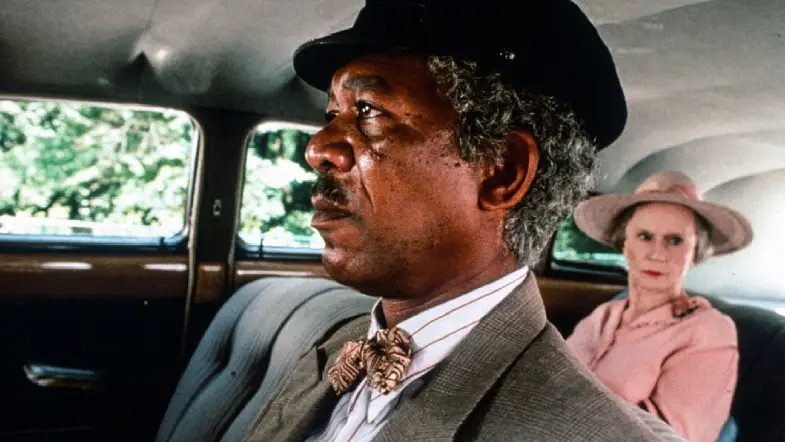
As the BLM movement sweeps America, questions of how racism is a part of our every day consumption are being asked about the big screen. Although some of these movies may be beloved, they are still very harmful to many. It’s time we revisit some of our favorite classics with a more socially progressive and critical eye.
1.’Breakfast at Tiffany’s’ (1961)
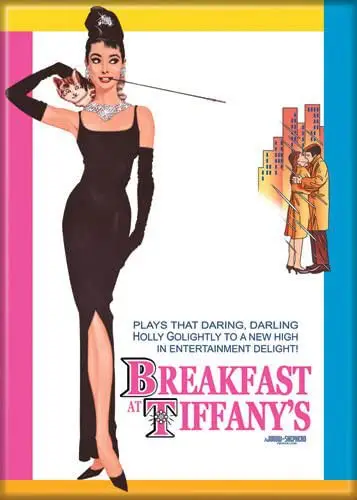
Based on Truman Capote’s iconic novella of the same name and starring the legendary Audrey Hepburn, Breakfast at Tiffany’s tells the story of a high class escort in New York City who is looking for a wealthy man to marry. The romantic comedy was received well at the time, winning multiple Oscars (including best original song for “Moon River”), but has been under scrutiny in the past for its portrayal of the character Mr. Yunioshi,. Played by Mickey Rooney, a white actor, Mr. Yunioshi wears a prosthetic mouthpiece in an attempt to imitate an insulting caricature of a Japanese-American, labeled today as yellowface. The character was very different to the character in the originally novella, and Rooney’s portrayal was seen as pandering to stereotypes with his over-the-top and inaccurate Japanese accent, and was protested by many Asian Americans.
2. ‘Driving Miss Daisy’ (1989)
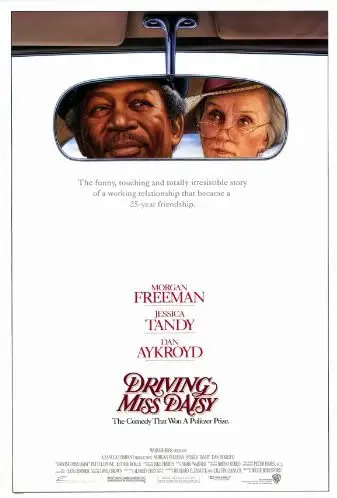
Known for its controversial victory over Spike Lee’s “Do the Right Thing” for Best Original Screenplay at the 1989 Oscars, “Driving Miss Daisy” tells the story of a black chauffeur Hoke (Morgan Freeman) who works for a wealthy elderly Jewish woman (Jessica Tandy) in Atlanta, Georgia. Miss Daisy is originally prejudiced in her views, but after spending time with Hoke, she begins to view him as an equal as they bond through the bias that both of their cultures face. Although the film attempts to tackle race related issues, it was criticized for its flowery, reductive, and too convenient depictions of dark subjects by not showing the struggles of the oppressed.
3. ‘The Jazz Singer’ (1927)
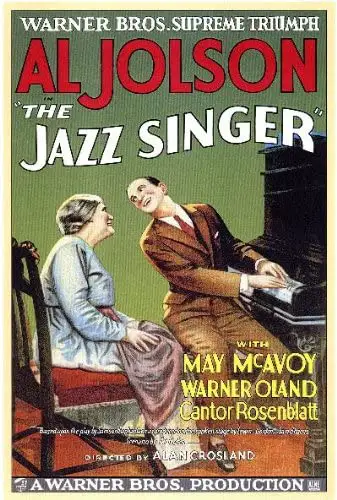
Known for being the first film to have sound, (aka a “talkie”), ending the silent era of films. Filled with music, the film follows the story of Jakie Rabinowitz (Al Jolson), a young, talented Jewish man who aspires to be a jazz singer, but is banned by his Orthdox family, causing him to run away from home. Although the National Film Registry has preserved it as historically significant, the film is also known for its appalling use of black face in the final scene, a common practice at the time. Today, this choice is regarded as highly racist and offensive, and to many almost or completely outweighs its legacy and one of the first films with sound.
4. ‘Gone with the Wind’ (1939)
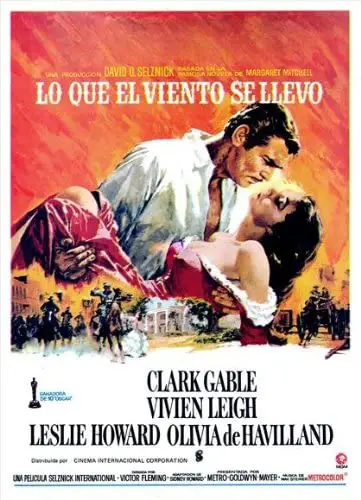
Based on the historically lauded one thousand page Civil War drama novel by Margaret Mitchell, Victor Fleming’s 1939 film adaptation has one of the highest box office rates in history, being the highest grossing film, even in 2019 (adjusted for inflation). Taking place in Georgia, the movie tells the story of Scarlet O’ Hara, (Vivien Leigh), a married woman who is in love with a married man. Although regarded as a historically essential film, it has been under fire for years for its racist depiction of the Mammy, played by Hattie McDaniel. Although McDaniel was the first black woman to win an Oscar, the stereotypical portrayal of Mammy was seen as glorifying slavery, as if they should be appreciative of their jobs. Recently, the film was removed from HBO Max for the same reasons, igniting much controversy.
5. ‘Pocahontas’ (1995)
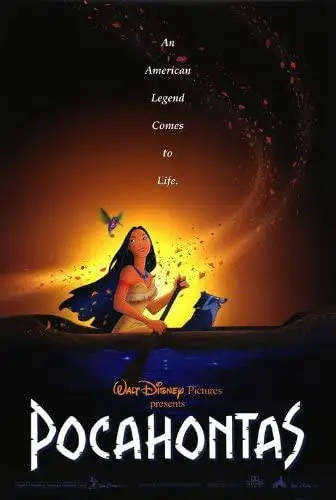
Image Via Amazon
In the 1995 animated musical, Pocahontas is a beautiful daughter of the chief of a Native American tribe in Virginia in the early 17th century. She falls madly in love with an English settler, John Smith, and saves his life after convincing the colonists to make peace with each other. Unfortunately, real life isn’t always how Disney films portray it. The dark reality is, Pocahontas was around ten years old at the time she met John Smith, and there was no romantic connection between them. She was captured by Jamestown colonists and was held captive for over a year. While being kept prisoner, she was forced to marry and have a child with a settler named John Rolfe, and died at the age of 21. Although Pocahantas is a children’s film that is treasured by many, its radical historical inaccuracies enable a harmful romanticization of colonization and America’s past. Regardless of what you were taught in the second grade, the settlers and Native Americans did not have a peaceful dinner together at Plymouth Rock, and Christopher Columbus was not a hero. It is only with accurate representations of the oppressed that we can strive for change.