


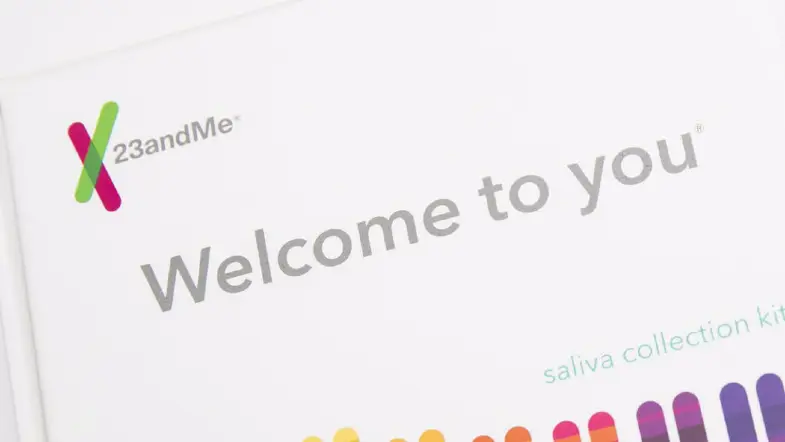
There’s a new service out there that people are getting into. It’s sort of becoming a trend. I’m talking about DNA testing. I’m sure you’re familiar with companies like Ancestry or 23andMe, where they let you simply spit in a vial, send it out, and have your DNA sample analyzed and compared with other DNA samples in their database to match you with your ancestors. Although it’s a little troubling to think what these companies are doing with your DNA, I suppose it’s pretty cool to find out who your relatives are and what your genes say about you.
Or… is it?
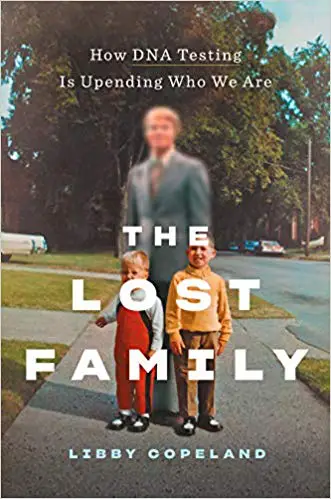
image via amazon
A new book, investigating this idea, was published today by Libby Copeland. Her book, The Lost Family, follows the journey of a woman who sent her DNA to get tested, only to find out the truth about who she is and her ancestry. What started as a curious inquiry ended up becoming a quest for finding out answers – a genetic detective story.
The book delves into the lives that DNA testing has shaken, looking at a technology that is supposed to end the mystery and secrecy over an unknown family history. For example, the book talks about cases where donor-received parents have dozens of siblings, people who find out that one of their parents isn’t actually their biological parent, a phenomenon known as a “non-paternity event,” and people who must grapple with their newly discovered identities from DNA testing.
image via university of michigan school of public health
Copeland’s book questions how much of the truth we should know, and if it’s something that should always be uncovered. How much our genes play a role in who we are is also questioned in her book, and if the number of DNA-testing people grows, these questions will become more and more important.
These issues that Copeland’s book highlights aren’t the only problems that widely available genetic testing kits provide, though. There’s no real guarantee that genetic testing companies (legitimate or not) won’t promise to always keep your DNA data away from government or law enforcement agencies, not to mention any third parties who may want this information in the future. There’s a lot of fine print and unknown areas. It’s a little scary, to say the least.
If you’d like to read about the many shocking discoveries that arise from DNA testing, consider checking the linked article about the dangers, and read Libby Copeland’s book, which is surely going to tickle your curiosity bone!
featured image via kristoffer tripplaar * sipa usa/tns
Bookstr is community supported. If you enjoy Bookstr’s articles, quizzes, graphics and videos, please join our Patreon to support our writers and creators or donate to our Paypal and help Bookstr to keep supporting the book loving community.
Become a Patron!
