


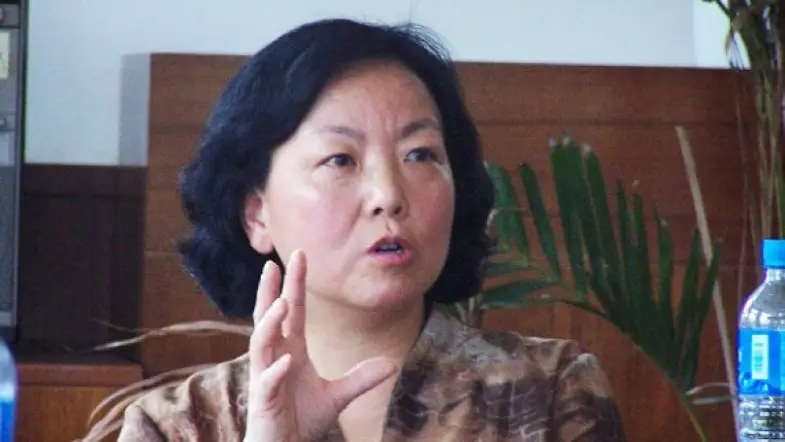
Fang Fang, award-winning Chinese novelist, lives in Wuhan, China, where the Coronavirus pandemic started. She began to document her life on her online-diary on January 25th, only two days after lockdown had started, and when it was still believed that the pandemic was only a local emergency.
During those seventy-six days of lockdown, Fang Fang tried to maintain some sense of normality and obtain some catharsis by writing about quotidian things like food, pets, friends, and sometimes even about the mental health of those in her country. Her online diary was read by millions of Chinese readers, who through her account got to see life in Wuhan during the many weeks of lockdown, as well as the residents’ fears and hopes.

The diary sparked some controversy in China, and she has received a lot of nationalist backlash for “maligning the government” and “undermining the heroic image of Wuhan.” As Chinese officials tried to censor critical content, Fang Fang’s diary became an archive of this information. In her diary, Fang Fang also included screenshots and transcripts of conversation she had with friends in the medical field.
Eventually her diary was also censored, but not before readers could screenshot and re-post her entries. Despite the controversy, she says in an interview:
If authors have any responsibilities in the face of disaster, the greatest of them is to bear witness. I’ve always cared about how the weak survive great upheavals. The individuals who are left out — they’ve always been my chief concern.
Now, her accounts have been compiled into a translated book. Wuhan Diary: Dispatches from a Quarantined City, is a collection of essays and social media posts by Fang Fang, and translated by Michael Berry. It is set to be published on June 30th by HarperCollins.
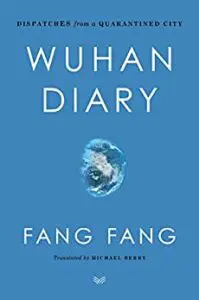
The book has already received praise from different publications such as The New York Times, Kirkus, and NPR, who call it “… urgently written … Essential reportage with hard-won lessons for residents of every place on the planet on how to survive the pandemic,” and “an important record how Wuhan’s people suffered and ultimately persevered.”