


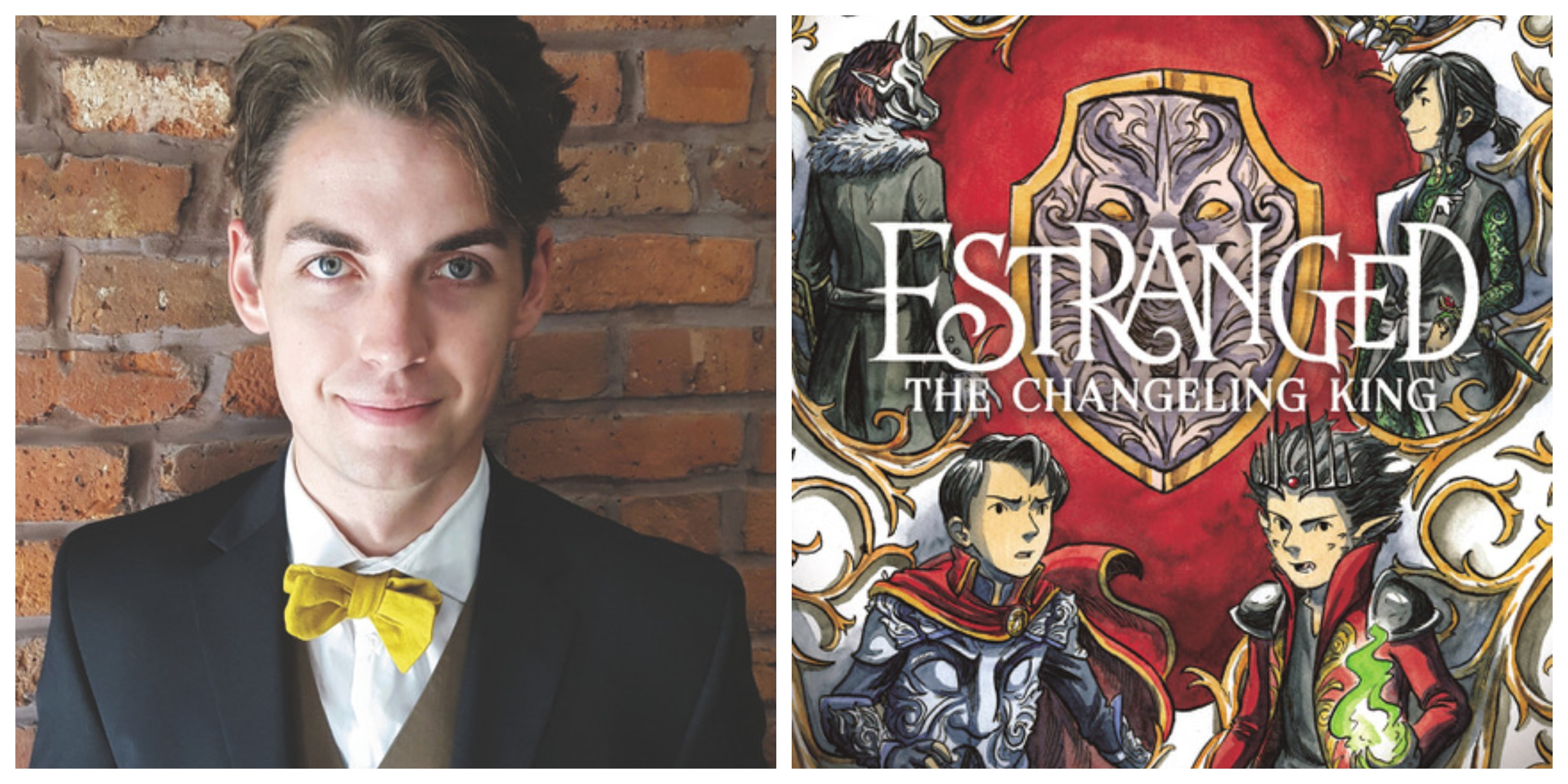
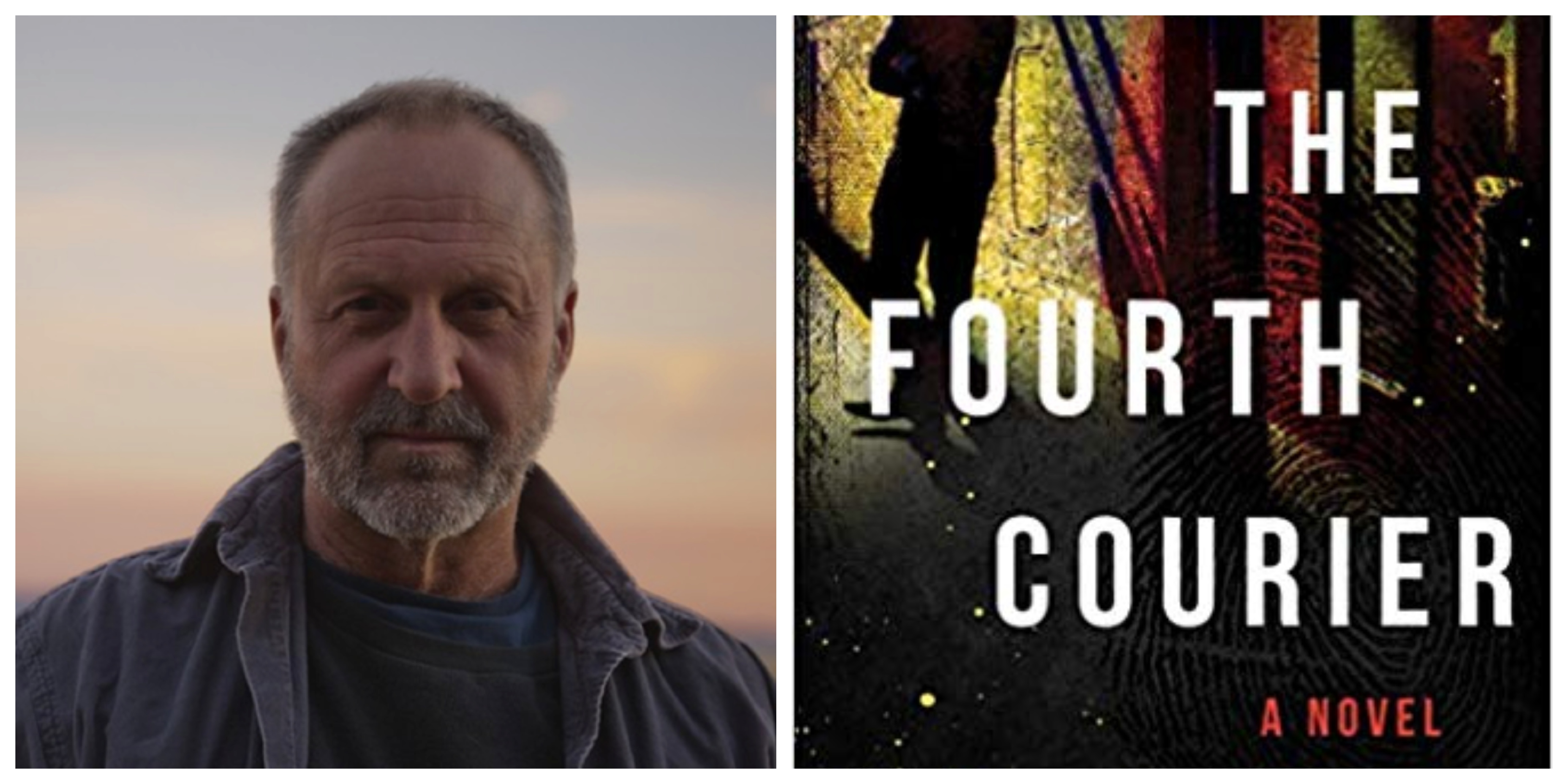
Happy Pride everyone! This month, we caught up with some acclaimed LGBTQ authors to find out their takes on representation in literature, their favorite characters, how their identities have impacted their writing, and more! Kyle Lukoff is the author of A Storytelling of Ravens and When Aidan Becomes a Brother. Dahlia Adler is the author of the Daylight Falls duology, Just Visiting, and the Radleigh University trilogy, as well as His Hideous Heart. Sam J. Miller has written The Art of Starving and Blackfish City while Ethan Aldridge is the creator of Estranged. Timothy Jay Smith, author of Cooper’s Promise and Fire on the Island has most recently released The Fourth Courier.
How important is being a member of the LGBTQ community to your writing?
Kyle Lukoff: Crucial! I wouldn’t have been able to write my books if I wasn’t part of a vibrant, complex, diverse community of LGBTQ people. Not only do they give me endless fodder for ideas, my community has also enabled me to live a fully realized queer life, largely unconcerned with the straight and cis gaze, which opens up that possibility for my characters.
Dahlia Adler: More than I would have expected it to be, if I’m being really honest. When I first wrote a queer main character, I thought I was writing outside my lane. When it became clear to me through that process that I actually wasn’t, well. That was eye-opening, and I think it’s really informed the way I see what stories I think are important not just to be told but maybe even to be told by me. It also allows me to shake off what I think is “expected” of a queer story and just write what feels true to my own head and heart.
Sam J. Miller: For a long time, I tried NOT to tell queer stories. I thought it would be the kiss of death, and I’d never get published, because the overwhelmingly-straight public wouldn’t be interested. For years I wrote stories and novels that never went anywhere. Only when I embraced who I was, and told the stories that mattered most to me, did they start to resonate with readers. So, I’d say that being a member of the LGBTQ community means EVERYTHING to my writing. Which is just one of many reasons why I believe that being queer is a superpower.
Ethan Aldridge: It’s hugely important to my work. The community gives me something to strive for, something to fight for, and it provides me with the support and safety net I need in order to feel brave in my writing.
Timothy Jay Smith: Before I took up writing, I’d literally been around the world a few times and experienced it as a gay man. That’s how I wanted to tell my stories. I can’t imagine any writer not agreeing that we constantly plumb ourselves in every story and character we create. We rely on external experiences—a setting, an encounter, a conversation—to give us context for our stories, but it’s ultimately how we emotionally connect with those external events that gives us the emotional grist we need to bring power to our words on paper. Because gay people are part of my real world, they are also part of the fictional worlds I create. (I’ve only written about gay men—not lesbians or trans people—because that’s my experience with the most emotional depth.) Usually my protagonists are gay. The one exception is my latest novel, The Fourth Courier, in which a gay black CIA agent teams up with a straight white FBI agent to solve a nuclear smuggling case. Technically, the FBI guy is the real protagonist, but the gay CIA agent is the real hero of the story. The world of thrillers and mysteries is still largely uninhabited by gays. Hopefully I am helping to change that. I also hope that my novels expand my readers’ understanding of homosexuality around the world. All my novels are set in different countries, all the stories turn on a gay plot point, and never is it the same plot point but instead reveals how homosexuals are regarded and treated in different places.
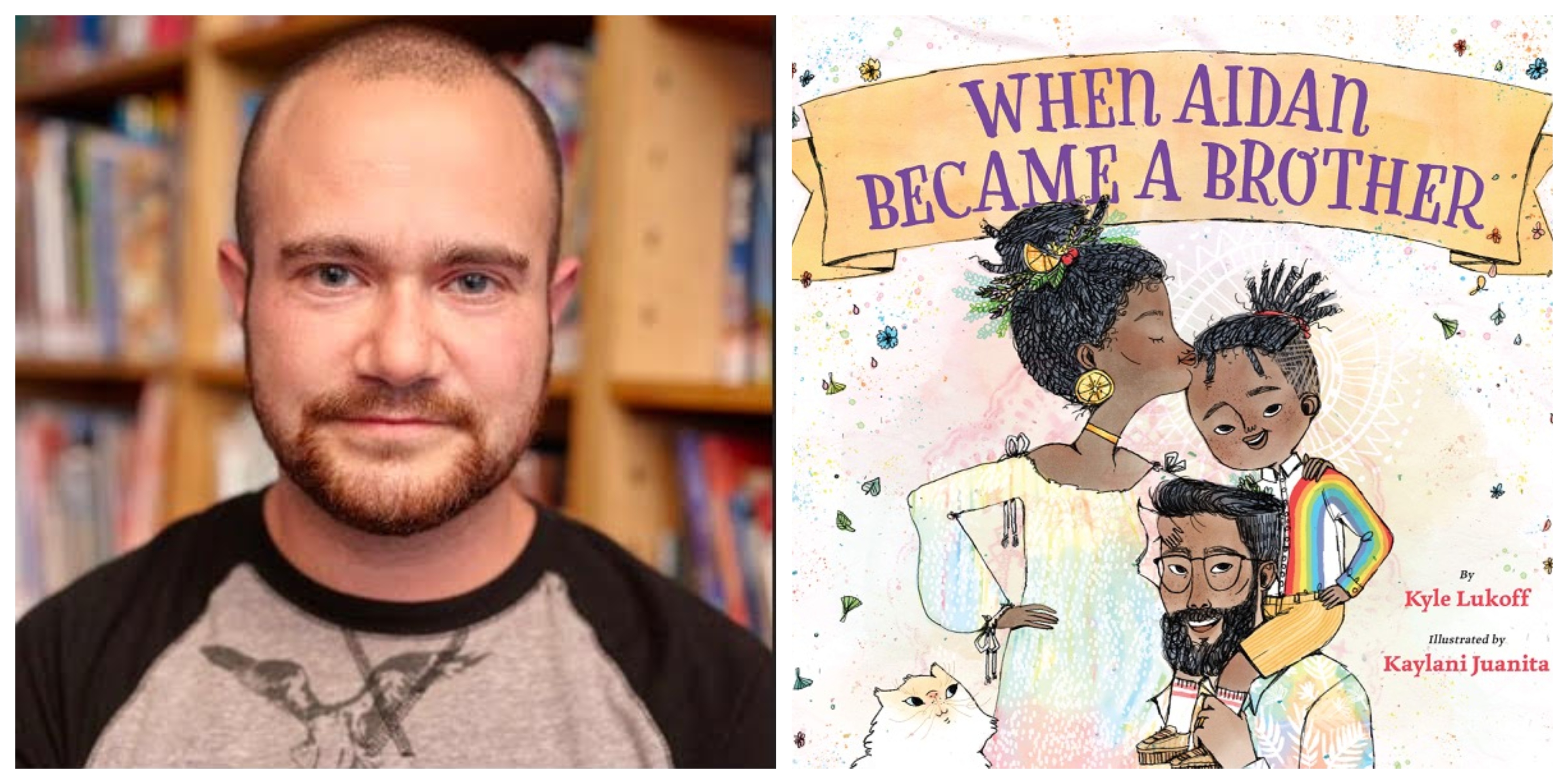
Kyle Lukoff
When was the first time you encountered a character in literature by whom you felt represented?
Kyle Lukoff: Sydney Taylor’s All-Of-A-Kind Family. I felt extremely isolated as a Jewish kid in the Pacific Northwest, and that book was pretty much the only time I saw Jewish kids in a non-Holocaust setting. Of course, those books are extremely dated, and not at all representative of my life, which goes to show how starved I was to see that side of myself reflected anywhere.
Dahlia Adler: This is a tough question because on the one hand, I’ve seen great bi rep that just wasn’t like my personal experience; I think the first time for that was in Far From You by Tess Sharpe. I’ve also never seen myself, in the sense of seeing how bisexuality, especially discovered late in life, intersects with being an Orthodox Jewish woman. But the bi rep I’ve seen that resonated deeply enough to make me cry for the first time was in Red, White & Royal Blue by Casey McQuiston, because it really nailed that “Sometimes, even if the signs are there, and even if you know you’d be safe, you still just don’t Get It until you do” feeling.
Sam J. Miller: The narrator of James Baldwin’s Giovanni’s Room, which I didn’t even discover until after college. Now, he’s not a good person, or, at best, he’s a good character who is broken, who causes horrible harm to come to the boy he loves. But that’s the gay representation that resonated with me. Someone desperately flawed, who’s spent his whole life surrounded by hate, until he internalized it, who hurts people he loves because he can’t love himself. And once I saw myself reflected that way, wounds and warts and all, I could start to work on healing those wounds.
Ethan Aldridge: I’ve felt represented by a lot of characters over the years for different reasons, but it’s only been recently that explicitly queer characters, at least ones who’s story doesn’t end tragically, have become more visible in fiction. A recent favorite of mine is Elliot, from In Other Lands by Sarah Rees Brennan, because I too am often oblivious to social and romantic cues, and am likewise blessed with a patient partner and understanding friends.
Timothy Jay Smith: Outside my own work, I’d have to pick George Falconer, the protagonist in Christopher Isherwood’s A Single Man. There were many things I related to, including the gnawing uneasiness of being closeted, the sheer liberation of having a lover, and what I could imagine to be the overwhelming loneliness experienced after a lover’s death. George isn’t ready to stop living—in fact, he loves being alive—but it’s a hard, lonely slog. However, I’ve never felt especially represented by a character in literature, and that’s why I wrote Cooper’s Promise. It’s my most autobiographical work inasmuch as I relate to Cooper Chance in very deep emotional ways. No, I was never an Army sharpshooter; but yes, I did hang out in an African brothel where I met Lulay, I did rail at the injustice of having my sexuality used against me, and I am excessively claustrophobic (probably, like Cooper, from being enclosed in a small space as an infant).
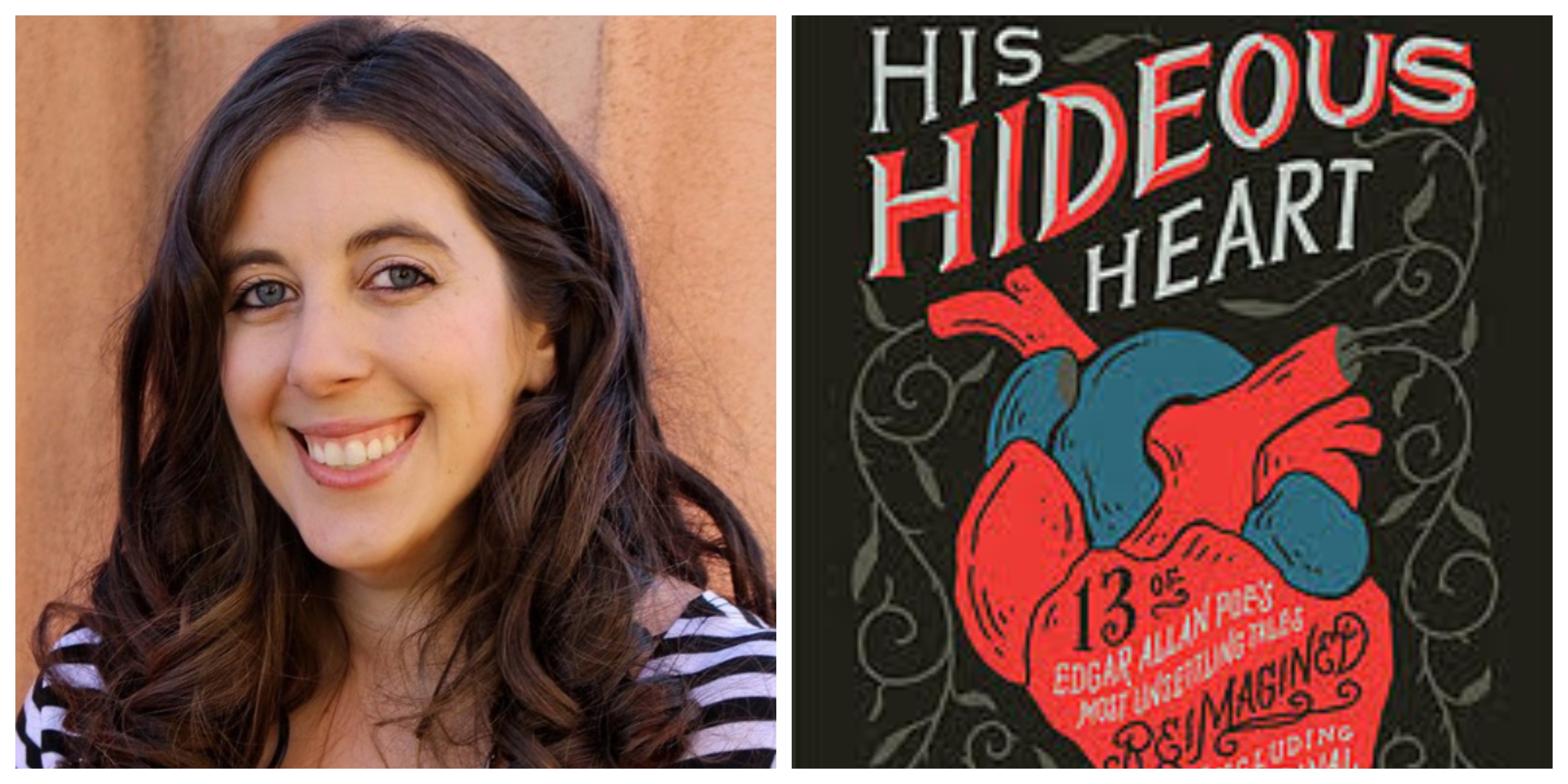
Dahlia Adler
Who are some of your favorite LGBTQ characters in literature?
Kyle Lukoff: Morgan, from Meredith Russo’s Birthday, Alex Fierro from Rick Riordan’s Gods of Asgard series, Aidan from my book When Aidan Became a Brother, Breezy Lin, from Shallow Graves by Kali Wallace, Aisha from Bill Konigsberg’s Porcupine of Truth, Wendy from Casey Plett’s Little Fish, Reza and Art from Abdi Nazemian’s Like a Love Story, Sile and Jude from Emma Donoghue’s Landing.
Dahlia Adler: I just read Less by Andrew Sean Greer, and as a midlist author who’s definitely got some emotional shortcomings, Arthur Less was such a fun joy for me to read. Juliet in Juliet Takes a Breath by Gabby Rivera is a great one. The girls of Tell Me How You Really Feel by Aminah Mae Safi are so much fun. And I love love love female detectives, so Kristen Lepionka’s Roxane Weary is definitely a frontrunner for me.
Sam J. Miller: The Talented Mr. Ripley. Celie, in The Color Purple. Molina, in The Kiss of the Spider Woman. The narrator of Before Night Falls. Patrick, in The Perks of Being a Wallflower. Henry, in We Are the Ants. Frobisher, in Cloud Atlas. Aristotle and Dante, in Aristotle and Dante Discover the Secrets of the Universe. Orlando, in Virginia Woolf’s Orlando. I COULD GO ON AND ON!! And then there’s all the characters that are never identified as LGBTQ, but who I know in my heart are on my team, like Toph in Avatar: the Last Airbender or Magneto in the X-Men. Or Phineas, in A Separate Peace, or Chris (River Phoenix) in The Body/Stand By Me.
Ethan Aldridge: There has been such a wealth of great LGBTQ characters lately! Some recent ones I’ve loved are Aster from Molly Ostertag’s Witch Boy books, Ben from Holly Black’s The Darkest Part of the Forest, Teodora and Celio from The Brilliant Death by Amy Rose Capetta, and Zachary from Erin Morgenstern’s upcoming The Starless Sea.
Timothy Jay Smith: I’ve already mentioned George Falconer in Isherwood’s A Single Man; and if the story weren’t so dark and brutal, I’d probably say David in James Baldwin’s Giovanni’s Room. Both characters stayed with me long after I’d read their stories. Of course, there’s always DH Lawrence’s not-so-subtle love affair in Women in Love between Rupert Birkin and Gerald Crich. If my memory serves me correctly, it’s in the wrestling scene (Chapter 13, “Gladiatorial”) where their desire for each other is consummated. Despite its subtlety, the novel was scandalous when it was published in 1920. But the two characters I really love are Jack Twist and Ennis del Mar in Annie Proulx’s Brokeback Mountain. These are real guys that anybody can relate to. They’re macho cowboys who, with a little nudge from alcohol, end up having sex, which leads to a passionate love for each other that never abates. Of course, except for a summer affair, they aren’t able to act on it, and instead both suffer unhappy marriages. Despite the story’s tragic ending, I’ve always loved Jack and Ennis for allowing themselves to experience something so many ‘straight’ men desire but will never do.
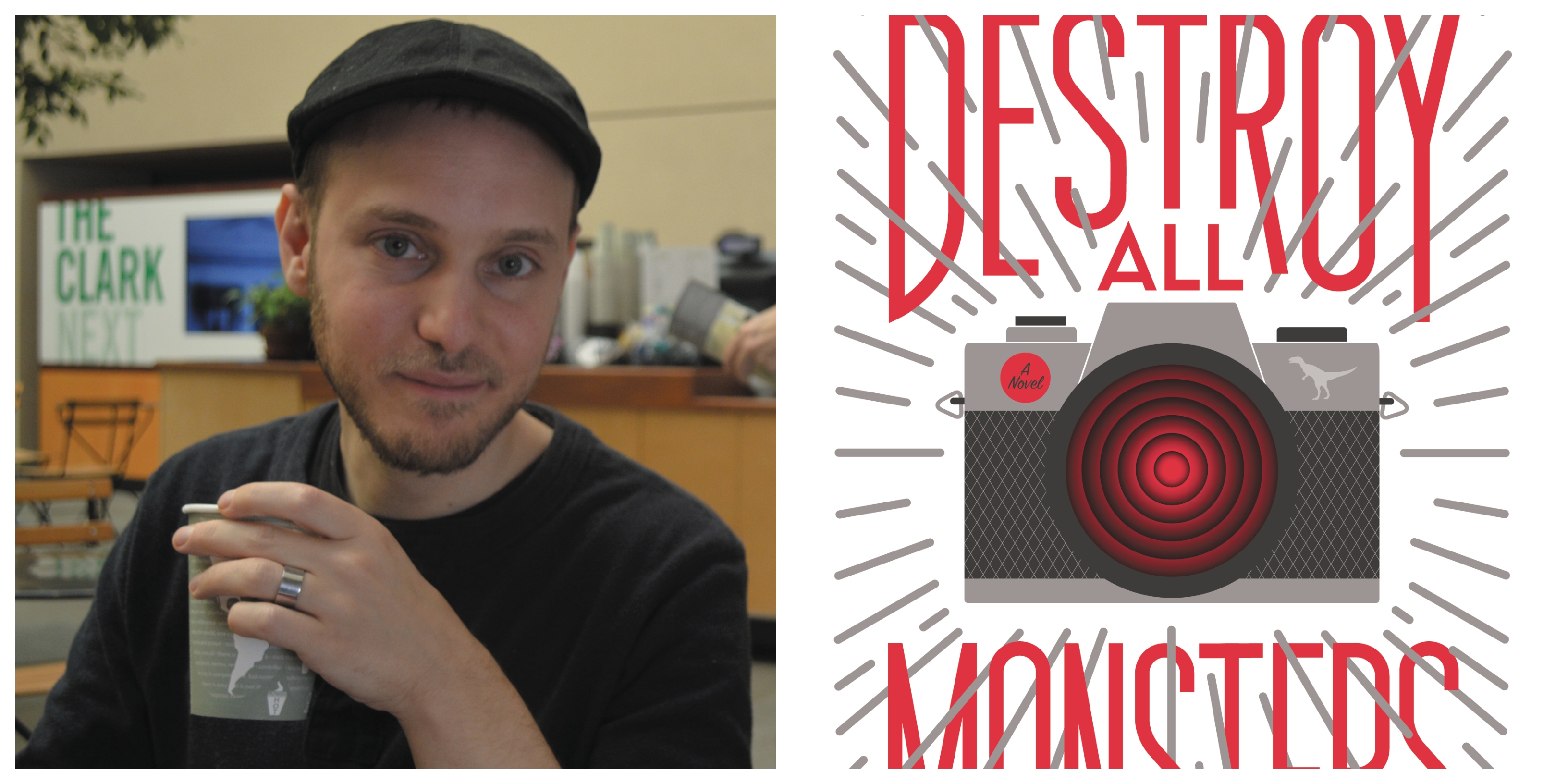
Sam J. Miller
How important is LGBTQ representation in media?
Kyle Lukoff: That’s a really complicated question with no good answer. Important, for a lot of reasons, but representation can also lead directly to backlash, increased surveillance and oppression, and cooptation. See Trap Door by Tourmaline, Eric Stanley, and Johanna Burton.
Dahlia Adler: Extremely. I think division and hatred so often springs from having a very singular kind of community in your own world, and media is the best way we have to open that up and introduce you to new people, to see that stereotypes are just that, that there isn’t a one way to be or one way to look, that diversity is not a monolith, that intersections and people who embody more than one marginalization exist, and there are a wealth of ways to experience life.
Sam J. Miller: LGBTQ representation can literally mean the difference between life and death. I can’t imagine how many of my own mental health challenges and struggles with addiction could have been avoided if I had positive representation to counteract all the hate and bullying that surrounded me as an adolescent. At the same time, we need representation that is intersectional, that illuminates the different experiences of all corners of our magnificent community. And we need narratives that challenge us to take action on fighting to fix this broken beautiful world.
Ethan Aldridge: I don’t think the importance of visibility can be understated. Growing up in a small town community, I didn’t meet another out gay person until I was almost twenty. I had begun to think they might be fictional. I often wonder how my life would be different if there had been more characters and people in media that reflected me and my experiences at the time.
Timothy Jay Smith: Before Stonewall, few gay writers dared to venture out of the closet. Fifty years later, we’re in a new struggle to keep those closet doors open. LGBTQ representation in the media is essential to make sure we aren’t sidelined and made vulnerable. People need to see on a daily basis that gays are part of everything. Without losing our identity, we need to be mainstreamed, not marginalized and considered deviants. It’s our best protection.
Ethan Aldridge
How do you suggest readers celebrate Pride month?
Kyle Lukoff: By donating money to RAICES, reading books by Sarah Schulman, and learning more about the efforts to break the patent on PrEP.
Dahlia Adler: Same way I suggest celebrating the rest of the year – find some great and delightfully rainbow-y books by authors telling the amazing stories of their hearts and experiences and immerse yourself! Of course, if you can get yourself to events and parades, that’s wonderful, but sometimes Pride is a quiet, internal experience, and that’s great too.
Sam J. Miller: Go out dancing! And get brunch with your chosen family. And protest injustice. And read a book. That’s what being queer means to me – being part of an incredible community, and seeing how messed up the world is, and wanting to do something about it – and understanding that great art can help us escape from that messed-up world.
Ethan Aldridge: I’d recommend they celebrate Pride the same way they should live every day; by being honest to yourself, and loving without fear or shame. And perhaps by curling up with a good book.
Timothy Jay Smith: If you know a young person struggling with their homosexuality, give them a book with a gay or lesbian hero. Ditto if you have skeptical family or friends. If you’re in a book club, pick a gay-themed book or author to read. Or, organize a reading party, and have someone read Brokeback Mountain aloud. Me? I plan to make great headway on a new novel, The Syrian Pietà, about a gay refugee living in Istanbul who’s recruited by both the CIA and Islamic State to become a double agent. I agree: not your usual gay plot!
Timothy Jay Smith
Kyle Lukoff is the author of A Storytelling of Ravens, which Kirkus Reviews called “not to be missed” in a starred review. His second book, When Aidan Became a Brother, “sets a new standard of excellence in trans representation.” After a decade as a bookseller, he now works as a school librarian and writer in New York City. Kyle first came out as trans in 2004, and has over fifteen years experience discussing trans identities and issues with adults and children from many different communities.
Dahlia Adler is an Associate Editor of mathematics by day, a blogger for B&N Teens, LGBTQ Reads, and Frolic by night, and an author of Young Adult and New Adult novels at every spare moment in between. Her books include the Daylight Falls duology, Just Visiting, and the Radleigh University trilogy, and her short stories can be found in the anthologies The Radical Element, All Out, It’s a Whole Spiel (Knopf, 2019), and His Hideous Heart (Flatiron Books, 2019), the latter of which she also edited. Dahlia lives in New York with her husband, son, and an obscene amount of books, and can be found on Twitter and Instagram at @MissDahlELama.
Sam J. Miller lives in New York City now, but grew up in a small town in upstate New York. He is the last in a long line of butchers. In no particular order, he has also been a film critic, a grocery bagger, a secretary, a painter’s assistant and model, and the guitarist in a punk rock band. He is the winner of the 2018 Andre Norton Award for his YA debut novel, The Art of Starving. His fiction has been nominated for the Nebula Award and the Theodore Sturgeon Award, was long-listed for the Hugo Award, and has won the Shirley Jackson Award. He’s a graduate of the Clarion Writers Workshop and the author of the adult fiction novel Blackfish City. His husband is a nurse practitioner and is way smarter and handsomer than Sam. Visit Sam online at www.samjmiller.com.
Catch both Sam J. Miller and Ethan Aldridge on the Barnes & Noble float in NYC’s Pride Parade this Sunday!
Timothy Jay Smith was raised crisscrossing America pulling a small green trailer behind the family car, leading him to develop a ceaseless wanderlust that has taken him around the world many times. Polish cops and Greek fishermen, mercenaries and arms dealers, child prostitutes and wannabe terrorists, Indian Chiefs and Indian tailors: he hung with them all in an unparalleled international career that saw him smuggle banned plays from behind the Iron Curtain, manoeuvre through Occupied Territories, represent the U.S. at the highest levels of foreign governments, and stowaway aboard a “devil’s barge” for a three-days crossing from Cape Verde that landed him in an African jail. These experiences explain the unique breadth and sensibility of Tim’s work, for which he’s won top honors. Fire on the Island won the Gold Medal in the 2017 Faulkner-Wisdom Competition for the Novel. He won the Paris Prize for Fiction (now the Paris Literary Prize) for his novel A Vision of Angels. Kirkus Reviews called Cooper’s Promise “literary dynamite” and selected it as one of the Best Books of 2012. Tim was nominated for the 2018 Pushcart Prize. His screenplays have won numerous competitions. His first stage play, How High the Moon, won the prestigious Stanley Drama Award. He is the founder of the Smith Prize for Political Theater.