


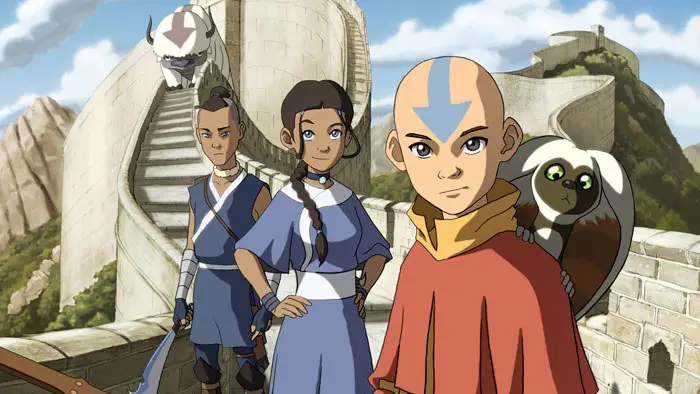
Yes, you read the title correctly and no you’re not hallucinating from some cactus juice. Avatar: The Last Airbender is finally coming to Netflix, (all three seasons to be exact) on May 15th! This is honestly the best news to receive during quarantine, other than receiving that ‘I’m outside‘ text from your delivery guy.
When the show originally aired in February of 2005, it took my breath away; Avatar was truly in a league in its own (and still is). Sure during this time there were other iconic animes on screen, but Avatar wasn’t just another anime.
It gained commercial and critical success (it won an Emmy and a Peabody Award people!). It’s been fifteen years since it’s debuted and we’re still head over heels for this show; so let’s recap the reasons why we love this show so much and its impact. I can talk about this show all day, so let’s get to it! Yip Yip!
Usually shows geared towards kids, don’t try to give complex storylines or rich character arcs. The more safer, colorful and simpler a show is the better, right? Wrong. Avatar: The Last Airbender followed the beat of their own drum and thank heavens they did. Truly one of the reasons this show is legendary is how it balanced between, darkness and light-heartedness so effortlessly.
Avatar introduced a lot of mature themes such as genocide, parental acceptance, mental illness, violence, death, disability and inequality; unlike some of its peers like Teen Titans or Invader Zim (both iconic) where viewers didn’t truly appreciate it until they grew up, the show’s mixing of humor and relatability helped to reach generations of youth.
Toph Bei Fong, a blind earth bender was probably a lot of children’s first introduction to that community. Toph was perfect because she didn’t want pity, she wanted to be treated like everyone else (no Toph slander will be tolerated). Show creators’ refusal to water down these mature themes while dressing them in amazing characters, great humor and beautiful animation set it apart from it’s competition.
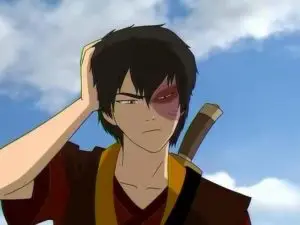
Let’s be honest people, some of the most memorable and beloved characters on this show were villains. Prince Zuko’s arc in the series is not only one of the best character developments in an animated series, but in a series period (Zuko stans where y’all at?!). Seeing him grow from a banished young boy struggling to find himself and regaining his honor, to a young man who’s sure of himself as well as fighting with the Avatar was growth. Not to be outdone, Azula’s storyline is crafted beautifully and she’s the perfect opposite of her brother. No doubt the best villain to come out of that show.
The creators of this show made audiences sympathetic for these foes; but aside from all of that, they were just totally badass to watch. Princess Azula, Ty Lee and Mai formed a formidable team and sometimes I found myself rooting for them at times (sorry not sorry). They weren’t lack luster bad guys with just an evil laugh; just like Aang and his gang, they had goals and aspirations. Had we started the show with Zuko and Azula, we would’ve wanted them to capture the Avatar; their POV would’ve been ours. We loved Zuko, Azula, Ty Lee, Jet and Mai because their stories made our heart ache, but ultimately they challenged the meaning of the word ‘villain’.
Another element (I’m here all week folks) this show mastered was it’s ability to introduce diversity and Chinese culture, to numerous televisions. Show creators Bryan Konietzko and Michael Dante DiMartino, didn’t want to appropriate Asian culture in fact quite the opposite, they wanted to treat it respectfully. The network hired Edwin Zane, the then vice president of the group Media Action Network for Asian Americans, as a consultant to make sure everything from costuming to character drawing to art style was done in a sensitive manner.
The various bending styles are based off of a specific Chinese martial art, and the culture of each nation takes cues from the the physical embodiment of the element, along with inspiration from existing real-world cultures. For example, water bending is based modeled off of Tai Chi. Head writer, Aaron Ehasz has even admitted “You want to be inspired without appropriating…you don’t want to accidentally say something about a culture.”
This show not only provided a great source of representation for the Asian community (plus spread the beauty of this culture across several screens), but it provided numerous jobs for Asian Americans trying to get their foot into Hollywood. Whether it be our beloved Dante Basco who voiced Prince Zuko or character designer, Angela Song Mueller. There was a call for diversity in Hollywood and Avatar answered.
When this show premiered I was seven and I’d watch it with my teenage sister week after week (you’re a real one Steph). Avatar’s balance of youthful humor and darkness made it a favorite no matter the generation. It’s not only a Nickelodeon classic, but a household name. We’ve all tried to water bend in the shower (admit it) or still won’t let go of the fact that Zuko belongs with Katara (til my last breath). But fifteen years later and a Netflix live action in the works, we’re still in love with Aang, Sokka, Katara, Toph and Zuko. See Avatar Aang and his gang on Netflix, on May 15th!
Feature Image via Variety
During this difficult time we could use your support more than ever! If we’ve brought some joy to you or brightened your day or even distracted you for a few minutes, please donate whatever you can – any little bit counts. If you tried before we had some technical difficulties, so please give what you can now. Thank you so much!!