



It’s clear that we all love books. They’re a way for us to be transported, educated, and freed all at once. But what goes into a book? What processes take place to get it from a writer’s mind to your hand?
Well, it all starts with the author and a manuscript. The manuscript is the original story before it’s reached an editor. If the author is writing non-fiction, a proposal or outline is written. Then, the author writes their piece and they send this off to a specific agent or an agency.
Like other talent agents, book agents search for talented authors. They work with the author to get the story perfect before it’s shown to any publishing house. Because most agents specialize in a specific genre, it is more than likely that they will pitch the author’s story to an editor/publishing house that also specializes in that genre.

Image via Rethink Press
Here’s where things get wild. Instead of showing the manuscript to one house at a time, agents have the manuscript auctioned off. All interested houses put in a bid and the winner gets the rights to the manuscript. A contract is drawn up and the author, agent, and house decide whether the publishing house will have extra rights (i.e. movie rights, TV rights, etc.). This is also where sales and marketing come into play. If any of these departments don’t like what they see, the manuscript doesn’t move on.
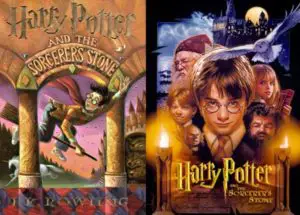
Image via The Artifice
Now comes the most notable stage of the book: editing. The editor makes revisions on the manuscript and the work is sent back and forth between them and the author. Editors are often working on many different books at one time, so it’s easy to say that they spend most of their waking moments reading manuscripts.
When all revisions have been addressed, the editor moves the manuscript to production. The production team is responsible for the literal creation of the physical book. They make sure that there are no errors or typos in the final draft. Working together with book cover artists, the production team creates the crisp beauty that is a new book.
The sales team comes back at the end of the process, having found places for the book to be sold. They work with airports, gift shops, bookstores, even Walmart. If the place sells books, the sales team will find a spot for it.
Then you come along. You’re in a bookstore or a library, and you see this book. The cover looks nice (thanks, literary artists) and you’ve heard good things about it (thanks, marketing team). You think you should buy it, so you do. You bring it home and eat it up, unaware of the lengthy process this book went through to exist.
Feature Image via Reader’s Digest
Bookstr is community supported. If you enjoy Bookstr’s articles, quizzes, graphics and videos, please join our Patreon to support our writers and creators or donate to our Paypal and help Bookstr to keep supporting the book loving community.
Become a Patron!
