


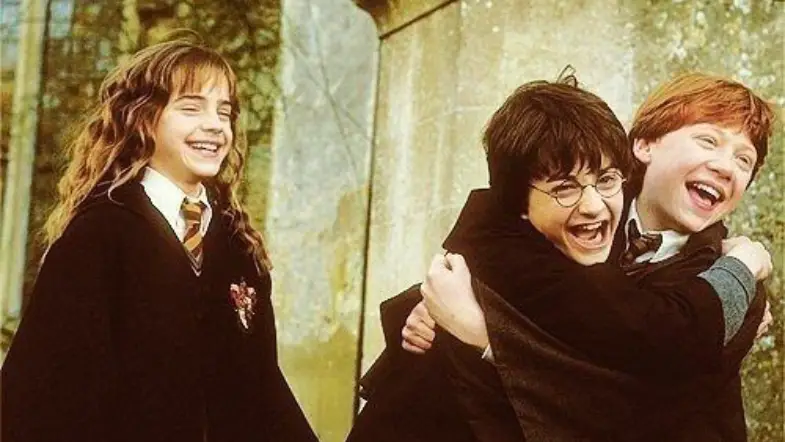
Nineteen years ago today, the film adaptation of J.K. Rowling’s Harry Potter and the Sorcerer’s Stone was brought to the big screen, branding the Wizarding World in our young hearts and ever-evolving minds. Here we are, almost two decades older than when we began this journey with our favorite boy wizard, and we’re just as amazed (or, more accurately, obsessed) as ever by his story.
In commemoration of the day that brought Harry and his magical adventures into our lives for good, I thought I’d give a brief analysis (with some of my own personal Potter memories) about what’s in that secret sauce that makes Harry Potter so special.
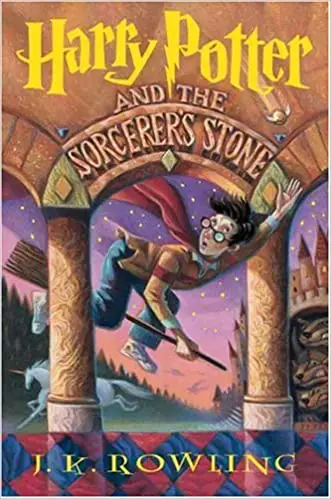
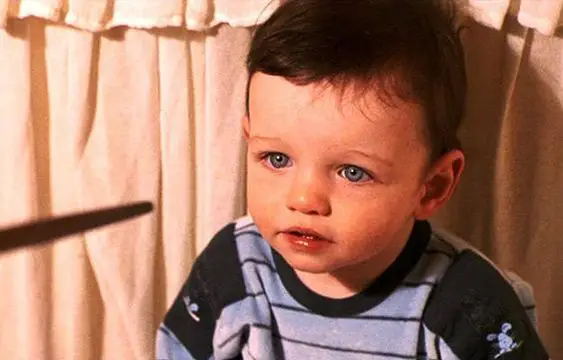
“It’s no accident that the most popular stories in English literature–the classic mystery, the orphan novels of Charles Dickens, and, now, the hybrid orphan-mystery of the Harry Potter adventures– use the most engaging drives. Drive is what gets us hooked and keeps those pages turning. The insoluble mystery that awakens our desire for revelation and resolution as well as our sense of injustice, combined with the ease and surety that an orphan novel uses to win our identification with and interest in a sympathetic character, is a story that acts as a conveyor belt in overdrive.”
In other words, the orphan tale will always take the cake. And the underdog will always be accessible. Check out this article by Bookstr’s very own Craig Klein about this very concept, as well as the following excerpt by Granger on Rowling’s wisdom is characterization: “All of her good guys are misfits. Hermione is a mud blood. Ron and the Weasley’s are dirt poor and blood traitors. Hagrid is a half-giant. Sirius is an escaped prisoner and convicted murderer….” The sympathy train goes on and on all the way to Hogwarts.
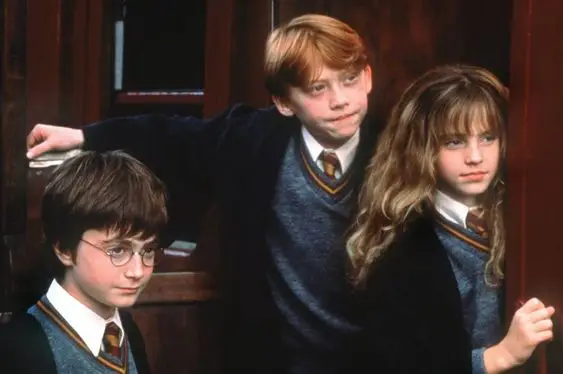
In his book, How Harry Cast His Spell, Granger also links Harry’s success to his rock solid hero journey. “While the story is a partial throwback to the heroes of old (Odysseus, Aeneas, Dante), these stories take quite a different turn.” He goes on to ask, “Why do people love these books? … Every one of the seven Harry Potter novels and especially the last, Deathly Hallows, is built on the heroes journey story structure.”
And in The Ultimate Harry Potter and Philosophy; Hogwarts for Muggles, Gregory Bassham breaks down the element that makes Harry Potter so potent. He explains that the most powerful magic there is, love, has been featured in the most prominent philosophical writings throughout the ages:
Love that is understood as the desire for the good of the other can be found not only in Rowling’s depictions, but in writers on love who range from Aristotle to Aquinas to M. Scott Peck, despite the cultural and temporal distances between them. They share a common understanding of love expressed in friendship as willing the good of another for the others own sake… Love requires self sacrifice, binds one’s happiness to the good of another, makes one vulnerable to loss and grief, and strengthens one’s commitment to the good.
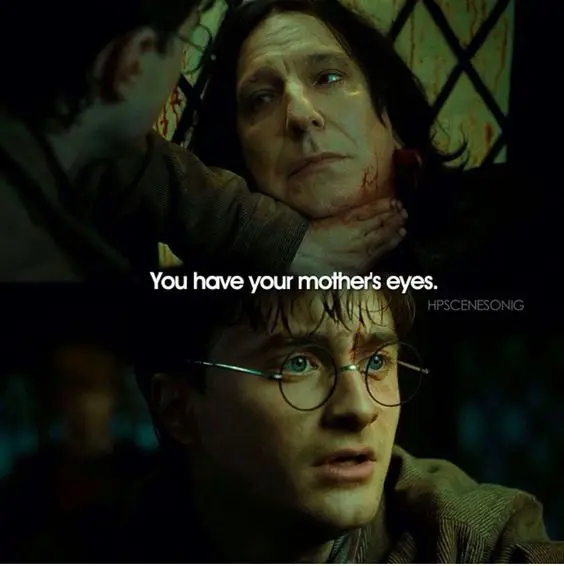
And isn’t that theme seen throughout all of the Harry Potter novels? From Lily’s self-sacrificing love shield that protects Harry from Voldemort’s killing curse to Snape’s love for Lily that continues that protection throughout Harry’s stay at Hogwarts…. What could be more powerful than that?
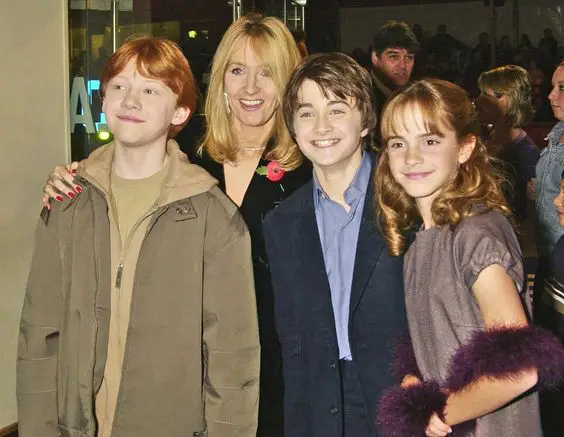
The fledgling wizard with the zigzag scar rode his Quidditch broom to the biggest movie opening of all time this weekend as ”Harry Potter and the Sorcerer’s Stone” earned an estimated $93.5 million in its first three days, making it all but assured of breaking the $100 million mark monday afternoon.
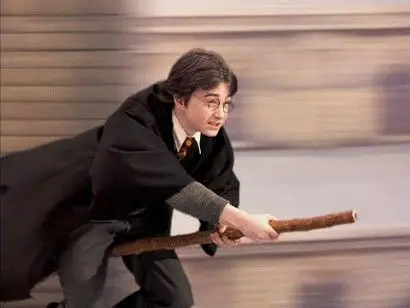
Now that I’ve got you craving a good re-read of your favorite fantasy, you can crack open those vintage hardcover copies, order from the amazing book recommendations linked in this article, or bust out the blu-rays and celebrate Harry Potter’s nineteenth anniversary of the day the movie adaptations changed our lives.