


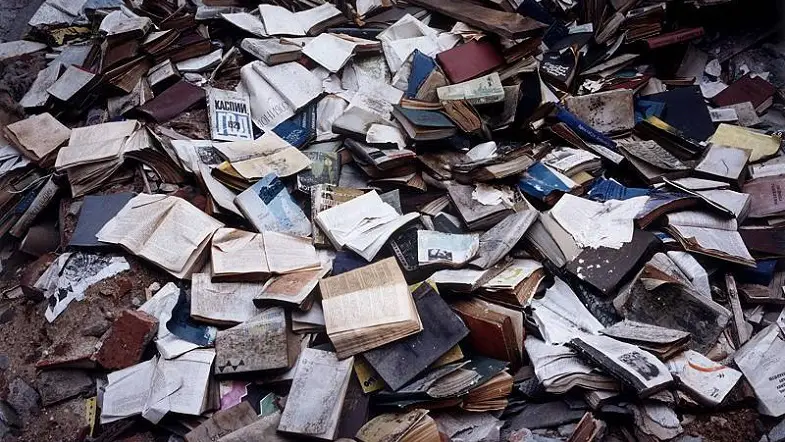
The devout collector has parental instincts, selflessly sacrificing their apartment space and finances to give their books a fulfilling life. While not every book collector treats their books like they do their kin, each one values the book in its entirety: for the emotional and tactile joy it evokes. Taking care of a book’s body doesn’t require the strenuous effort of taking care of oneself but demands attention nonetheless. Preserving a book’s prime condition is important because it preserves the object’s history and maintains its. Here is a list of ways you may be inadvertently de-valuing your books, who need tender loving care as much as we do.
1. You Dog-ear Your Books
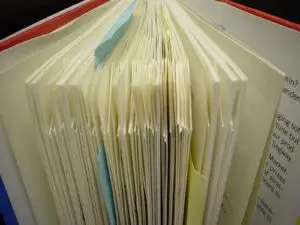 image via brand autopsy
While pages sprinkled with folded corners indicate that a book was read and adored, “dog-earing,” as it’s referred commonly referred to, lowers the value of the book. The dog-ear method is sentimental but ultimately undesirable for collectors looking to turn a profit. It’s recommended to use thin bookmarks to mark your page, ensuring tidy pages and preventing you from flipping wildly to find your spot.
2. You Clip The prices
 image via biblio.com
Many hardcovers have a suggested retail price on the inside jacket. Though it is gift-giving etiquette to remove the price, going to town on the barcode with a sharpie or cutting the price off the jacket de-values the book. If you own the book, don’t clip the price. If you’re giving the book, particularly if it’s a valuable one, keep the price because then your gift will be of greater value to your receiver.
3. You Leave It open when you stop reading
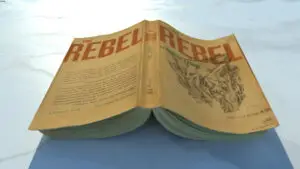 image via 3d warehouse
Though another popular way to bookmark your spot, placing your book facedown on the coffee table and forgetting about it for a week damages the spine. Skewed and creased spines devalue a book, as they’re considered deformities, signaling a neglectful owner rather than a gradual aging. Doing this can also slant the binding entirely, making it difficult to shelve the book completely upright. It may be speedy, but it’s best to bookmark slowly and steadily.
4. You let it sunbathe
 image via Getty Images
Heat exposure can do great damage to your books. Sunlight is particularly dangerous because its UV rays are potent, frying delicate book bindings as if it were personal. It’s best to keep books out of direct sunlight and heat access. Of course as I sit here, the bookshelf next to me is illuminated almost divinely by the sun.
5. You let it sweat
 image via doityourself.com
Similar to heat exposure, humidity is another culprit in crime against the Humanities. Humidity has never seems to have good intentions – making air soggy, pores open, and hair unruly. In the case of books, humidity causes mildew and mold to grow on the pages, which not only dirties the book but also devalues it. It is of pivotal importance to store your books in a dry environment. That’s not to say you should use your air conditioner as a makeshift shelf; a too dry environment can crack the glue and cover. It may be a daunting task to find the Goldilocks of shelving, but I’m sure it’s possible. And I’m sure Goldilocks would have found a new spot for the bookshelves if she had more time.
6. You stack your books
 image via tao of Pauly
Another way to bend the spine of your books is by stacking them horizontally instead of shelving them vertically. For paperbacks, piling them creates curvatures in the shape, as they contort based on the weight of the books stacked above and below them. While hardcover books are not flexible and cannot bend as freely, the binding can still shift, destroying the craftsmanship and geometrical perfection of the book. Shelving books keeps their condition in-check and their value too.
7. You ditch the jacket
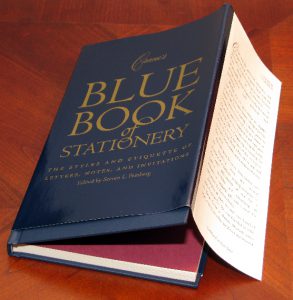 image via wikipedia
Though a dusty jackets one of the grimiest textures known to man, keeping the jacket and cleaning it regularly is of great importance. Many jackets, particularly older and rarer ones, are quite beautifully designed. So take care of the jacket like you would any print. Covering the jacket in mylar or other plastic covering preserves the condition and coloring and prevents dust build-up. Mylar also reflects sunlight, helping to prevent sun damage. With a cover on the jacket, you can wipe the dust clean and spare yourself from the unnecessary feel of a film of filth.
While fiscally it is wisest to treat your books as delicately as you can, showering them with annotations, inscriptions, and coffee stains makes them uniquely yours, which to some, is infinitely valuable.
Featured image via Foto Journalism US