


It’s funny how throughout modern day high schools, a great deal of the books that students read from different institutions around the world are actually the same. From classic American literature novels such as The Adventures of Huckleberry Finn, To Kill A Mockingbird, or The Catcher in the Rye, to Shakespeare’s plays, many of these pieces have narrative elements that students can really learn from. Although these stories do take place in a time so far away from ours, there is no doubt the social, moral, and political components they cover are still relevant today. Even though these characters are much older than students today, they are still incredibly relatable.
As Stephen King has appropriately said, “The primary duty of literature is to tell us the truth about ourselves by telling us lies about people who never existed.”
Here are the most relatable characters from classic literature:
Holden Caulfield
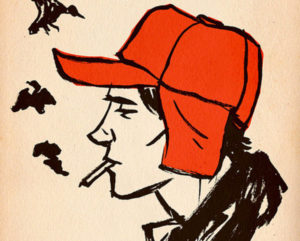
Image Via Big Think
Book: The Catcher in the Rye
Holden Caulfield is a symbol for teenage rebellion. The main character from The Catcher in the Rye, his blunt humanity and desire to distance himself from other people makes him extremely relatable, especially to high schoolers. He despises the adult world, yet through his narration, clearly exposes his naivety. It has been said that JD Salinger, the author of the book, related deeply to Holden, and that he was protective of the character. He didn’t want the book to be filmed, or have any other writers use the character. Depressed, anxious, thoughtful, insightful, horny, Holden is a character so easy to connect with. He despises the lack of authenticity in the adult world, yet likes the idea of independence. Although this book is required reading in various institutions by English curriculums, it is also banned in some school libraries for its encouragement of rebellion and use of profanity.
Henry Jekyll
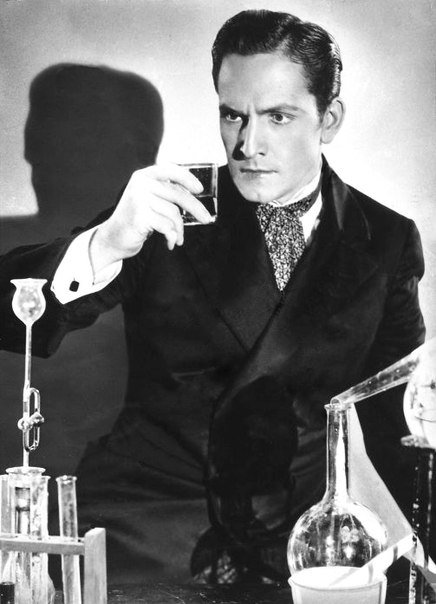
Image Via Twitter
Book: The Strange Case of Dr. Jekyll and Mr. Hyde
The Strange Case of Dr. Jekyll and Mr. Hyde was published in 1886, but the narrative was way ahead of its time. It is about the belief that humans have both good and evil natures, or rather, human and animal instincts. It depicts a respectable doctor who feels he is battling the good and evil aspects within himself. In response to this, he creates a potion in an attempt to reveal the evil which is masked by his reputable personality. This potion turns him into his alter ego, Edward Hyde, less of a man and more of a beast. Mr. Hyde is powered by the constant consumption of human vices, such as alcohol and sex. It’s as if Dr. Jekyll is who you are ordinarily, but Mr. Hyde is who you become when you’ve had a little too much to drink at the bar. When Dr. Jekyll is tired of the confines of his monotonous life, he drinks the potion to engage in wickedness and lose his inhibitions. Just like any student, you work hard all year and sometimes experience failures. Weekends will arrive and you may want to “drink your potion,” and take on Mr. Hyde’s lifestyle.
Bilbo Baggins
Image Via Wikipedia
Book: The Hobbit
Bilbo Baggins is a representation of human nature. Although he is of a race of people that are about half the size of human beings, like most of us, he loves the comfort and security of his home. He is fond of good food, and smoking his pipe in the solace of his own home. Yet, deep within himself, he has a thirst for adventure and wants more excitement in his life. Gandalf the Wizard invites him on an adventure which asks him to do more than he thinks is capable of. A common dilemma within human psychology, he is afraid to make brave decisions and leave his comfort zone, but is more than capable of doing so.
Featured Image Via Medium