


Publishers Weekly has just released their list of best books of 2020. Check out the full list below!
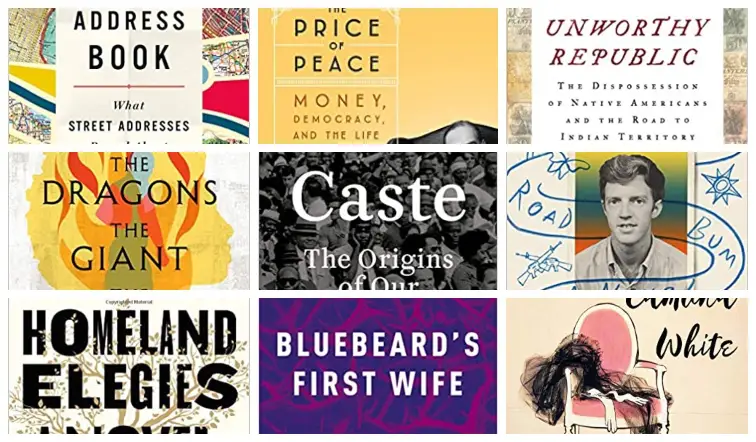
The Address Book: What Street Addresses Reveal About Identity, Wealth, Race, and Power by Deirdre Mask
Mask’s enthusiastic debut explores the stories and histories behind street names and how they have the power to determine who matters, and who doesn’t. The book impressively covers thousands of years of history from the ancient Romans to the present day, while revealing truths about power, class, race, and history.
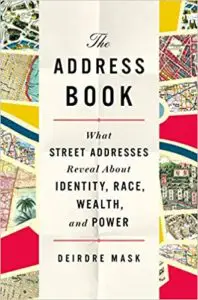
image via amazon
Bluebeard’s First Wife by Ha Seong-nan, translated by Janet Hong
This collection captures the dark side of South Korean society through mischievous, unapologetic feminist stories. Shocking violence between a new married couple, a stolen dog, and suspiciously noisy neighbors are among a few of the disturbances in this wonderfully unusual book. Each story stands out, as they come together to form a nightmare impossible to turn away from.
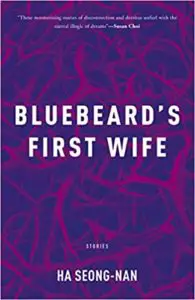
image via amazon
Caste: The Origins of Our Discontents by Isabel Wilkerson
Wilkerson’s deeply researched, exquisitely written, and exceptionally timely investigation into America’s “shape-shifting, unspoken race-based” caste system is a must-read. Wilkerson draws incisive parallels to the caste systems of India and Nazi Germany, while debunking widespread myths about US history and reveals the steep price American society pays for limiting the potential of Black Americans.
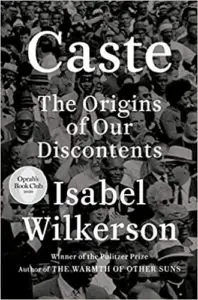
image via amazon
The Dragons, the Giant, the Women: A Memoir by Wayétu Moore
Moore’s lyrical memoir details her traumatic flight from her home in war-torn Liberia in 1990, her childhood in Texas, and the racially fraught romances of her postgraduate years in Brooklyn. By the end of the book, Moore accomplishes one of the year’s most moving and eye-opening feats of imagination, shifting perspective to recount her mother’s trying journey from New York to Africa to rescue her family.
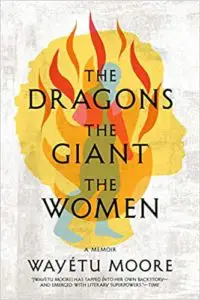
image via amazon
Homeland Elegies by Ayad Akhtar
This work of autofiction confronts a series of contradictions, reversals, and enigmas among the author-protagonist’s family members, friends, and lovers. The most affecting is the story of Ayad’s complicated relationship with his father, an immigrant from Pakistan who once served as Donald Trump’s doctor, leading him to support Trump in 2016.
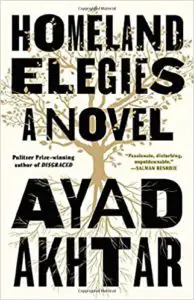
image via amazon
The Last Great Road Bum by Hector Tobar
Following his novel Deep Down Dark, this stunning novel is based on the life of failed Hemingwayesque writer Joe Sanderson, who died fighting with the guerillas in El Salvador. Tobar creates brilliant tension between his critiques of Joe’s desire to remake the world in his own image and a genuinely exciting chronicle of Joe’s adventures
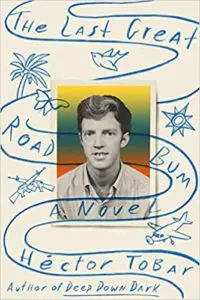
image via amazon
The Price of Peace: Money, Democracy, and the Life of John Maynard Keynes by Zachary D. Carter
Journalist Zachary Carter untangles the personal and professional contradictions of economic theorist John Maynard Keynes in this masterful biography. From Keynes late-in-life love affair with a Russian ballerina to his abandonment of the Paris Peace Conference over German war reparations and influence on FDR’s New Deal, Carter renders Keynes brilliant mind and radical optimism accessible to readers.
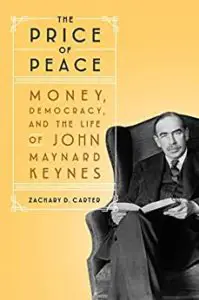
image via amazon
A Saint from Texas by Edmund White
White tells the wickedly funny tale of a Texas oil heiress who trades her wealth to become a French baroness while her sister devotes herself to a convent in Colombia, as each explores her own sexuality. White combines manners of the French aristocracy and American nouveau riche in this wonderfully humorous novel.
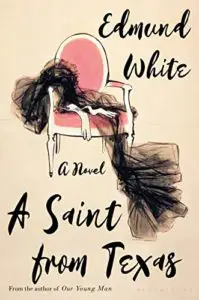
image via amazon
Sisters by Daisy Johnson
This psychological novel takes place in a North York Moors cottage, where a mother deals with depression and a teenage girl struggles to put the pieces back together after being bullied. With phenomenal prose and unforgettable images, the reader is completely immersed in this fearsome novel with a thrilling twist.
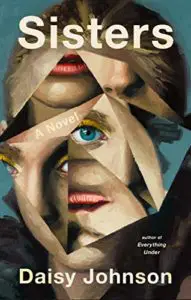
image via amazon
Unworthy Republic: The Dispossession of Native Americans and the Road to Indian Territory by Claudio Saunt
Historian Claudio Saunt argues that the Trail of Tears was not an inescapable American tragedy but a deliberate political choice in this meticulous account. Saunt details the links between Indian removal and slavery, and the brutal oppression of Native American resisters by law enforcement.
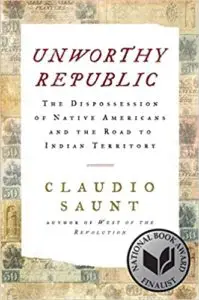
image via amazon
Featured image via BeFunkyCollage